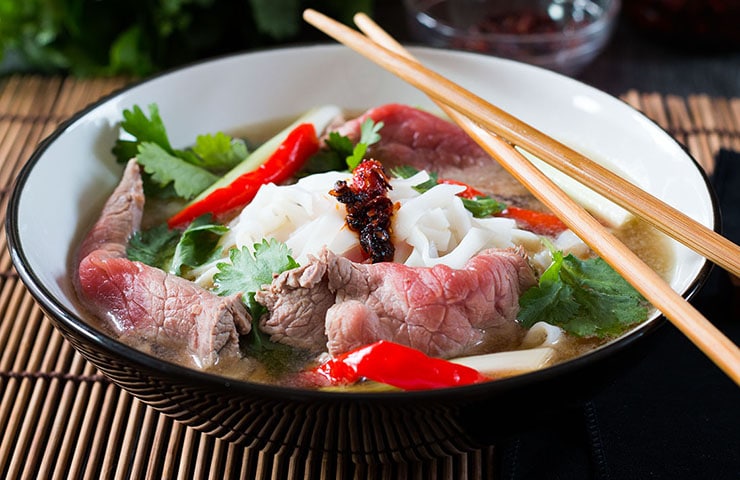
Unlocking the Authentic Flavors: How to Make Tuan's Vietnamese Beef Noodle Pho
There are few culinary experiences as comforting and deeply satisfying as a steaming bowl of authentic Vietnamese Pho. And when it comes to capturing that true, heartwarming essence, learning from a master is invaluable. This article delves into the secrets of Tuan's Vietnamese Beef Noodle Pho, a recipe passed down from a true culinary artisan. Forget bland interpretations; we're talking about a rich, aromatic, and incredibly nourishing soup that will transport your taste buds straight to the bustling streets of Hanoi or Ho Chi Minh City.
For over a decade, my regular nail technician, Tuan (affectionately known as Tony), was a source of great conversation and laughter, despite language barriers. One serendipitous day, a colleague revealed Tuan's hidden talent: he made the most incredible noodle soup. Intrigued, I asked him to share his recipe for authentic Vietnamese noodles. His response? He couldn't explain it in English, but he could *show* me. What followed was an unforgettable Sunday, a masterclass in Vietnamese cuisine, and the birth of this incredible recipe for Tuan's Vietnamese Beef Noodle Pho.
The Heart of Pho: Crafting the Legendary Broth
The soul of any great Pho lies in its broth, and Tuan's method is a testament to patience and traditional techniques. His approach results in a profoundly flavorful, crystal-clear broth that is the foundation of this exquisite dish. This is where most of the magic happens, transforming simple ingredients into a complex symphony of flavors.
Selecting Your Beef Bones and the Essential Blanching Process
Tuan's secret to a truly rich broth starts with the bones. He used a generous amount of ox tail, which is excellent for yielding a deep, gelatinous stock. If ox tail is unavailable, beef short ribs are an excellent substitute, offering similar richness and flavor. The key here is quantity – don't be shy with the bones; they are the bedrock of your broth.
One of Tuan's most crucial steps, often overlooked by home cooks, is the initial blanching of the bones. He covered the bones with cold water, brought them to a rolling boil, and then meticulously drained and rinsed them. He repeated this process two or three times. Why is this so important? This "dirty boil" effectively removes impurities, blood, and scum that would otherwise cloud your broth and impart an undesirable flavor. This meticulous step is foundational for achieving the pristine, clear broth that Tuan's Pho is known for.
The Art of Charred Onions and Aromatic Spices
After blanching, Tuan added fresh water to the cleaned bones and began the long simmer. But before that, he introduced a technique that instantly elevates the broth: charring whole red onions. Peeled, halved, and placed directly onto a gas burner or under a broiler, these onions are allowed to blacken and soften. This process, known as charring, caramelizes the sugars within the onion and releases incredible sweetness and a deep, smoky aroma that becomes an integral part of the broth's profile. It's a game-changer for authentic flavor. For more insights into this specific technique, check out our related article: Tuan's Pho Secrets: Charred Onions & Flavorful Broth Unveiled.
In addition to the charred onions, a traditional Pho broth relies on a specific blend of aromatic spices. While not explicitly detailed in the original account, the classic Pho spice mix typically includes:
- Star Anise: For its distinct licorice-like aroma.
- Cinnamon Sticks: Adding warmth and sweetness.
- Cloves: Providing a pungent, sweet, and aromatic note.
- Black Cardamom Pods: Offering an earthy, smoky depth.
- Fennel Seeds: Contributing a subtle sweetness.
These spices are often toasted lightly before being added to the broth, sometimes contained in a cheesecloth bag for easy removal. They infuse the broth with layers of complexity that are unmistakable in Tuan's Vietnamese Beef Noodle Pho.
The Patient Simmer: Skimming for Clarity
The broth then simmers for a minimum of 4 hours. Tuan's dedication to quality was evident in his unwavering commitment to skimming. He constantly removed any impurities that rose to the surface during the simmering process. This isn't just about aesthetics; regular skimming ensures the purest flavor and a truly clear broth, a hallmark of excellent Pho. This long, gentle simmer extracts all the collagen and flavor from the bones, creating a rich, savory liquid foundation.
Mastering the Beef and Noodles
While the broth simmers, attention turns to the other essential components of Tuan's Vietnamese Beef Noodle Pho: the beef and the noodles.
Preparing the Perfect Beef Slices
Tuan introduced another interesting step for the beef that would later be served in the soup. He took a large cut of beef (likely a leaner cut like eye of round or sirloin) and briefly boiled it for about a minute before slicing it paper-thin. While I personally opted to skip this pre-boiling step, believing the hot broth would perfectly cook the raw, thin slices, Tuan's method might have been for easier slicing or to pre-tenderize the meat slightly. If you choose to follow his original method, ensure the boiling is very brief to avoid toughening the meat. For consistently paper-thin slices, a crucial element for Pho, consider these tips:
- Partially freeze your beef for 30-60 minutes before slicing. This firms it up, making it easier to achieve ultra-thin cuts.
- Invest in a very sharp knife.
- Use Tuan's ingenious knife sharpening trick: the unglazed, rough bottom rim of a ceramic bowl or plate makes for an excellent impromptu sharpening surface. Just be cautious and use firm, even strokes.
The Right Noodles and Toppings
The noodles for Pho are typically flat rice noodles, often labeled "Banh Pho." Tuan soaked his in cold water throughout the day, ensuring they were pliable and ready for cooking. When assembling, they are briefly blanched in hot water just before serving to achieve the perfect al dente texture.
The array of fresh toppings is what truly brings a bowl of Tuan's Vietnamese Beef Noodle Pho to life. Tuan prepared an impressive spread, including:
- Fresh cilantro
- Green onions (scallions)
- Lime wedges (essential for brightness)
- Bean sprouts
- A variety of Asian chilies (e.g., bird's eye chilies or serrano)
- Sauces like Sriracha and hoisin sauce for personalized heat and sweetness.
- Fresh herbs like Thai basil and mint (highly recommended for aromatic depth).
These garnishes not only add texture and flavor but also allow each diner to customize their bowl to their preference.
Assembling Your Masterpiece: Tuan's Authentic Pho Bowl
With the broth perfectly simmered and strained, the beef thinly sliced, and the toppings prepped, it's time for the grand finale: assembling your bowl of Tuan's Vietnamese Beef Noodle Pho.
First, place a generous portion of blanched rice noodles at the bottom of a large bowl. Arrange the paper-thin slices of raw beef over the noodles. Then, artfully arrange your chosen garnishes – green onions, cilantro, bean sprouts, and a lime wedge – around the beef and noodles.
The magic happens when the piping hot broth, brought to a rolling boil just before serving, is ladled over the raw beef. The intense heat instantly cooks the thin slices of meat to a delicate, tender perfection. This method ensures the beef remains incredibly succulent and flavorful. The aromas released at this moment are simply intoxicating.
Squeeze the fresh lime juice into your bowl, add a dash of chili sauce for heat, or a swirl of hoisin for a touch of sweetness if desired. Stir gently and savor the rich, aromatic flavors that Tuan's meticulous process has created. It's a meal that's not just food, but an experience – a comforting, deeply flavorful journey into authentic Vietnamese cuisine.
Conclusion
Making Tuan's Vietnamese Beef Noodle Pho is a labor of love, requiring patience and a respect for traditional techniques. From the initial blanching of the bones to the meticulous skimming, the charring of the onions, and the careful slicing of the beef, every step contributes to the unparalleled depth of flavor. This isn't just a recipe; it's a culinary education and a connection to a rich cultural heritage, generously shared by a humble artisan. The result is a truly authentic, nourishing, and unforgettable bowl of Pho that will delight your senses and leave you craving more. Embrace the process, and prepare to be amazed by the incredible flavors you can create in your own kitchen.
