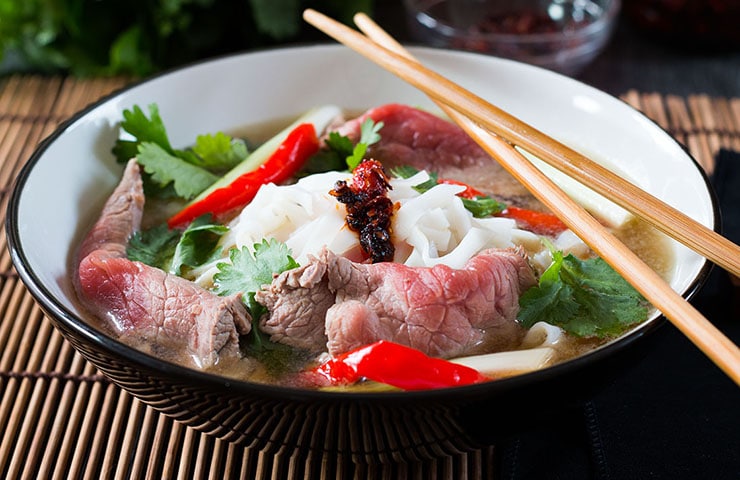
Tuan's Pho Secrets: Unlocking Authentic Flavor with Charred Onions and a Meticulous Broth
There are few dishes as comforting, complex, and utterly satisfying as a bowl of authentic Vietnamese Pho. And when it comes to the revered Vietnamese Beef Noodle Pho, mastering the nuances of a rich, aromatic broth is paramount. For many home cooks, replicating the deep, layered flavors of a traditional pho can seem daunting, but what if a seasoned expert was willing to share their most guarded techniques? Enter Tuan, a Vietnamese friend whose family recipe for
Tuan's authentic Vietnamese Beef Noodle Pho has been passed down through generations, now generously unveiled for us all.
This isn't just a recipe; it's a journey into the heart of Vietnamese culinary tradition, guided by someone who grew up on the very flavors he now shares. From unexpected broth-clarifying rituals to the surprising magic of direct-flame charred onions, Tuan's methods transform a simple soup into an unforgettable gastronomic experience. Get ready to discover the secrets that make Tuan's Vietnamese Beef Noodle Pho truly stand out.
The Unexpected Teacher: From Nail Salon to Culinary Masterclass
Our culinary adventure began in the most unlikely of places: a nail salon. For over a decade, Tuan (affectionately known as Tony) was the go-to expert for impeccable manicures. Despite a language barrier, a shared appreciation for good humor always transcended words. It was a casual conversation about food and cooking that sparked the revelation: Tuan, the quiet artisan of nail design, was also a master of Vietnamese cuisine, particularly his family's signature noodle soup.
Hesitation quickly turned into generosity as Tuan, realizing his English might not convey the intricacies of the process, offered to come to the author's home and *show* them how to make authentic Vietnamese noodles. What followed was an entire Sunday dedicated to the art of pho-making, a hands-on masterclass that unveiled traditional techniques and culinary wisdom rarely shared outside family circles. This unique journey, chronicled in more detail in
From Nail Salon to Kitchen: Discover Tuan's Authentic Pho, set the stage for understanding the true depth of Tuan’s pho.
The day began with a whirlwind grocery trip, Tuan moving with purpose, gathering an abundance of ingredients – enough, it seemed, to feed an entire village. This initial foray highlighted his philosophy: *abundance* and *quality* are key to a truly nourishing and flavorful pho.
The Heart of Pho: Crafting Tuan's Flavorful Broth
The broth is, without question, the soul of any pho. Tuan’s approach to his Vietnamese beef noodle pho broth is a testament to patience, meticulousness, and a few ingenious tricks that elevate it beyond the ordinary.
The Foundation: Cleaning the Bones for Clarity and Purity
Tuan's first secret, and perhaps the most crucial for a clean, pure broth, involves a rigorous cleaning of the beef bones. He starts with a generous quantity of ox tail (or beef short ribs, if ox tail is unavailable), covering them with water and bringing them to a rapid boil. The water, now cloudy with impurities, is then completely drained. This parboiling process is repeated two, sometimes even three, times.
*Why is this so important?* This initial boil and discard step is vital for removing impurities, blood, and bone fragments that can make the broth cloudy and impart an undesirable "gamey" flavor. By meticulously cleaning the bones before the main simmer, Tuan ensures a clear, vibrant, and incredibly flavorful broth free of off-notes. It's a foundational step that many home cooks skip, but one that undeniably makes a profound difference in the final product.
After the bones are thoroughly cleaned, fresh water is added, along with the essential aromatic spices: star anise, cinnamon sticks, and cloves. These spices are gently toasted before being added to the pot to enhance their fragrant oils, infusing the broth with their signature warm, sweet, and slightly peppery notes.
Tuan's Signature Touch: The Magic of Charred Onions
Then came the truly revolutionary technique that sets Tuan's pho apart: the direct charring of whole red onions. Instead of merely roasting or sautéing, Tuan peeled two whole red onions and placed them directly onto the burner of the stove. The onions sizzled and blackened, their outer layers turning a deep, smoky charcoal.
*What does charring do?* This direct flame charring technique isn't just about cooking; it's about transformation.
- Unlocking Sweetness: The intense heat caramelizes the natural sugars in the onion, developing a deep sweetness that no amount of sautéing can replicate.
- Adding Smoky Depth: The charring imparts a subtle, earthy smokiness that adds incredible complexity to the broth.
- Removing Harshness: The heat mellows the pungent "raw" onion flavor, leaving behind a wonderfully aromatic essence.
This charred onion, along with ginger, is then added to the simmering pot, becoming a silent hero in the symphony of flavors that will develop over hours.
The Long Simmer and Constant Skimming
The broth then simmers for approximately four hours. But Tuan's dedication doesn't stop there. Throughout the entire simmering process, he consistently skims the surface, removing any remaining impurities or fat that rise to the top. When we say "constantly," we mean *constantly*. This relentless attention to detail is another key to achieving a beautifully clear, pure, and intensely flavorful broth. It’s a labor of love that ensures every spoonful of Tuan’s Vietnamese Beef Noodle Pho is a delight.
Mastering the Beef and Noodle Preparation
While the broth simmers, attention turns to the other critical components: the beef and the noodles.
The Beef: Thin Slices, Perfect Texture
Tuan’s method for preparing the beef was another revelation. He took a large cut of beef (often eye of round or flank steak) and boiled it for just about a minute before removing it and slicing it paper-thin. While the author of the initial account admitted to sometimes skipping the pre-boil step, Tuan's reason likely lies in achieving a specific texture or making the slicing process easier for incredibly thin cuts. For most home cooks, slicing raw, slightly chilled beef thinly against the grain works wonderfully.
*A crucial tip for thin slicing:* No matter if you par-boil or slice raw, a super-sharp knife is absolutely essential. Tuan even shared a brilliant, old-school hack for sharpening a knife: using the unglazed, rough bottom of a ceramic bowl. The abrasive surface acts like a sharpening stone, providing a surprisingly effective edge in a pinch. This simple, practical tip highlights the resourceful nature of traditional cooking.
Noodle Know-How and Fresh Garnishes
The rice noodles are prepared by soaking them in cold water for several hours – sometimes even all day. This rehydrates them gently, preventing them from becoming mushy when cooked. When it's time to serve, they are briefly blanched in boiling water until just tender.
Finally, the topping preparation is where Tuan truly embraces freshness and variety. A colorful array of cilantro, green onions, fresh lime wedges, and a selection of Asian chilies and sauces (like Sriracha and hoisin) are meticulously arranged. These garnishes are not just for show; they provide essential textural contrast, vibrant freshness, and allow each diner to customize their bowl to their preferred taste profile.
The Art of Assembly: A Bowl of Perfection
The moment of assembly is where all the patient preparation culminates. Bowls are layered with the rehydrated noodles and the diner's chosen garnishes. For the author, this meant the tender, paper-thin sliced beef, a generous sprinkle of green onions and cilantro, and a squeeze of fresh lemon juice.
The final, theatrical touch is pouring the piping hot, freshly boiled broth directly over the thin slices of raw beef. The heat of the broth gently cooks the beef to perfect medium-rare doneness, ensuring a wonderfully tender texture and a burst of fresh beefy flavor. The aroma that rises from the bowl is intoxicating, a symphony of savory, sweet, smoky, and herbaceous notes.
The Enduring Legacy of Tuan's Pho
To taste Tuan's Vietnamese Beef Noodle Pho is to experience a dish crafted with profound care, deep understanding, and a generous spirit. It’s a nourishing soup, packed with authentic Asian flavors that satisfy the body and warm the soul. The meticulous steps – from parboiling bones and constant skimming to the revolutionary charred onions – all contribute to a broth that is remarkably clear, intensely flavorful, and perfectly balanced.
This recipe for tuans vietnamese beef noodle pho is more than just a list of ingredients; it's an heirloom, a story, and a testament to the power of traditional cooking methods. It teaches us that true culinary excellence often lies in patience, attention to detail, and a willingness to embrace unique techniques, like the magic of charred onions, that transform simple ingredients into something truly extraordinary. Prepare to be amazed by the depth and authenticity you can achieve in your own kitchen by following Tuan's invaluable secrets.